The Art and Science of Modern Web Design: Trends, Tips, and Best Practices
In today’s digital age, a website is more than just a digital storefront—it’s the embodiment of a brand’s identity, a critical tool for engaging with customers, and a powerful driver of business growth. As the digital landscape evolves, so does the art and science of web design. Whether you’re a seasoned designer or a business owner looking to refresh your online presence, understanding the latest trends and best practices in web design is crucial.
The Evolution of Web Design: A Brief Overview
Web design has come a long way since the early days of the internet. What started as simple, text-heavy pages has evolved into sophisticated, interactive experiences that blend aesthetics, functionality, and user engagement. Over the years, several key trends have shaped the way we design websites:
Minimalism: The “less is more” philosophy has been a dominant trend in web design. Clean layouts, ample white space, and simple navigation make websites more user-friendly and visually appealing.
Responsive Design: With the proliferation of smartphones and tablets, responsive design has become essential. A responsive website adapts to different screen sizes, ensuring a seamless experience across all devices.
User-Centric Design: Modern web design focuses on the user. From intuitive navigation to accessibility considerations, the goal is to create a website that meets the needs and expectations of its audience.
Dynamic Content and Interactivity: Websites are no longer static. Dynamic content, animations, and interactive elements engage users and make the browsing experience more enjoyable.
Microinteractions: These small, subtle design elements guide users, provide feedback, and enhance the overall user experience. Examples include hover effects, button animations, and loading indicators.
The Latest Trends in Web Design
As we move further into 2024, several new trends are shaping the future of web design:
Dark Mode: Dark mode has gained popularity for its aesthetic appeal and reduced eye strain. Many websites now offer a dark mode option, providing users with a choice in their viewing experience.
Neomorphism: This design trend blends skeuomorphism and flat design, creating soft, extruded shapes that mimic physical objects. Neumorphism adds depth and texture to digital interfaces, making them more tactile and engaging.
3D Elements: The use of 3D elements and immersive experiences is on the rise. From 3D illustrations to WebGL-powered interactions, these elements add a new dimension to web design.
Asymmetrical Layouts: Breaking away from grid-based designs, asymmetrical layouts create a more dynamic and visually interesting experience. This trend encourages designers to experiment with balance and visual hierarchy.
Sustainability and Eco-Friendly Design: As environmental concerns grow, there’s a push toward designing websites with sustainability in mind. This includes optimizing for energy efficiency, reducing data usage, and minimizing the carbon footprint of web hosting.
Best Practices for Effective Web Design
While trends are exciting, they should be implemented thoughtfully. Here are some best practices to ensure your web design is both trendy and effective:
Prioritize User Experience (UX): A beautiful website is useless if it’s not user-friendly. Prioritize ease of navigation, fast loading times, and clear calls to action. Conduct user testing to gather feedback and make improvements.
Mobile-First Design: With more users accessing websites via mobile devices, designing for mobile first is no longer optional—it’s essential. Ensure your website is fully optimized for mobile, with touch-friendly elements and fast performance.
Accessibility: Web accessibility is about making your website usable for everyone, including people with disabilities. This involves using alt text for images, ensuring keyboard navigation, and providing transcripts for multimedia content.
Content is King: No matter how stunning your design is, content is still the most important aspect of your website. Ensure your content is clear, concise, and aligned with your brand’s message. Use typography, color, and layout to enhance readability.
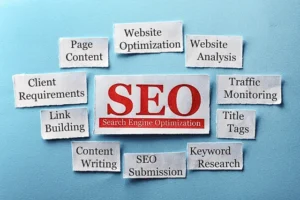
SEO-Friendly Design: Good web design and SEO go hand in hand. Use clean, semantic HTML, optimize images and media, and ensure your site is structured for search engines. Consider site speed, mobile optimization, and keyword usage to improve your rankings.
Security: With cyber threats on the rise, website security should be a top priority. Use HTTPS, implement strong passwords, and keep your software up to date. Regularly back up your website and consider using a web application firewall (WAF) for added protection.
Conclusion
Web design is a constantly evolving field that blends creativity, technology, and psychology. By staying up-to-date with the latest trends and adhering to best practices, you can create a website that not only looks great but also delivers a superior user experience. Whether you’re designing a new site or revamping an existing one, remember that the best websites are those that effectively communicate a brand’s message, engage users, and drive meaningful action. Happy designing!
FAQs
1) What are the 3 types of web design?
Web design can be categorized into several types based on how a website’s layout and content adapt to different devices and screen sizes. The three primary types of web design are:
i) Static Web Design
A static website consists of fixed content and layout that doesn’t change unless manually updated. The content is displayed the same way every time a page is loaded, regardless of the user’s device or screen size.
ii) Responsive Web Design
Responsive web design ensures that a website’s layout automatically adjusts to fit the screen size of the device being used, whether it’s a desktop, tablet, or smartphone. This is achieved using flexible grids, images, and CSS media queries.
iii) Dynamic Web Design
A dynamic website generates content on the fly based on user interactions or other factors. It uses server-side technologies like databases and scripts to deliver personalized content or interactive features.
2) Is Web Design hard to study?
Whether web design is hard to study depends on several factors, including your background, learning style, and the level of complexity you aim to achieve. Here’s a breakdown of what you might encounter while studying web design
3) What are the principles of web design?
The principles of web design serve as guidelines to create websites that are visually appealing, user-friendly, and effective in communicating their intended message. Here are the key principles of web design.
4) What is Responsive Web Design?
A responsive website is a website designed to adapt its layout, images, and other elements to fit different screen sizes and devices. The goal of responsive web design is to ensure that a website looks and functions well on all devices, whether it’s a desktop computer, laptop, tablet, or smartphone.
5) Why Responsive Design is Important?
Improved User Experience: A responsive website provides a seamless experience across all devices, making it easier for users to navigate and engage with the content.
Increased Reach: With more people using mobile devices to access the internet, a responsive design ensures that your website is accessible to a broader audience.
SEO Benefits: Search engines like Google favor mobile-friendly websites, meaning that a responsive design can help improve your site’s ranking in search results.
Cost-Effective: Instead of creating separate websites for different devices, a responsive website allows you to maintain a single site that works everywhere, saving time and resources.
In summary, a responsive website is essential for meeting the needs of modern users who access the web on a variety of devices, ensuring that your content is always presented in the best possible way